


Table of Contents
Table of Contents
Inventory turnover ratio is a critical financial metric that measures the efficiency with which a company manages its inventory. It provides valuable insights into how quickly a business sells its inventory and replenishes it. In this article, we will explore the significance of the inventory turnover ratio for businesses and delve into strategies to optimize this ratio.
1. Inventory Turnover Ratio Formula

To calculate the inventory turnover ratio, we use a simple formula:
Inventory Turnover Ratio = Cost of Goods Sold (COGS) / Average Inventory
Breaking down the formula, the cost of goods sold represents the expenses incurred to produce or purchase the goods sold during a specific period. Average inventory refers to the average value of inventory over the same period.
Let's consider an example to better understand this calculation. Suppose a company has a COGS of $500,000 and an average inventory value of $100,000. Plugging these values into the formula, we can calculate the inventory turnover ratio.
Inventory Turnover Ratio = $500,000 / $100,000 = 5
2. What Is Inventory Turnover Ratio
The inventory turnover ratio can be interpreted based on whether it is high or low.High Inventory Turnover Ratio
A high inventory turnover ratio indicates that a company sells its inventory quickly, which is generally desirable. It suggests efficient inventory management, minimized storage costs, and reduced risk of holding obsolete or perishable goods. However, an excessively high ratio may lead to challenges such as stockouts and missed sales opportunities.Low Inventory Turnover Ratio
A low inventory turnover ratio implies slow inventory movement. This may suggest overstocking or difficulties in selling products. It could result in increased storage costs, decreased cash flow, and the risk of obsolete inventory. Analyzing the reasons behind a low ratio is crucial for businesses to identify and address underlying issues.3. Factors Affecting Inventory Turnover Ratio
Seasonality
Seasonal businesses may experience fluctuations in inventory turnover due to changes in demand. For example, retailers selling winter clothing may witness higher turnover during winter months. Understanding the seasonality patterns is essential to optimize inventory management.Pricing Strategies
Pricing decisions impact the demand for products and, consequently, the inventory turnover ratio. Discounts or promotions may increase sales but decrease profit margins. Striking the right balance between pricing strategies and inventory turnover is crucial for business success.Supply Chain Efficiency
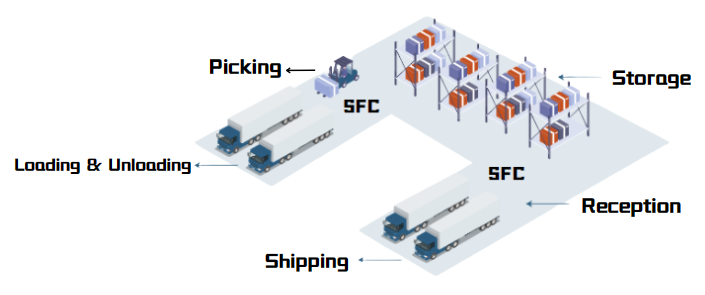
Product Shelf Life
For industries dealing with perishable goods or products with limited shelf life, such as the food industry, managing inventory turnover becomes even more critical. Ensuring proper inventory rotation and minimizing waste is vital for maintaining a healthy turnover ratio.4. How To Improve Inventory Turnover Ratio
Businesses can take various steps to improve their inventory turnover ratio and enhance overall efficiency.4.1 Optimizing Inventory Management Practices
Implementing robust inventory management systems, including accurate demand forecasting and monitoring stock levels, helps prevent overstocking or stockouts. Regularly reviewing and adjusting reorder points can further optimize inventory turnover.4.2 Implementing Just-in-Time Inventory Systems
Just-in-time (JIT) inventory systems focus on receiving inventory only when it is needed for production or sale. JIT minimizes inventory holding costs and reduces the risk of obsolescence. However, implementing JIT requires careful coordination with suppliers and efficient logistics.4.3 Streamlining the Supply Chain Process
Streamlining the supply chain improves the flow of goods from suppliers to customers, reducing lead times and increasing responsiveness. This enables businesses to maintain optimal inventory levels and improve the inventory turnover ratio.4.4 Analyzing and Adjusting Pricing Strategies
Regularly evaluating pricing strategies, conducting market research, and monitoring customer demand patterns help align prices with inventory turnover goals. Offering discounts or promotions selectively can stimulate sales while maintaining profitability.4.5 Utilizing an advanced warehouse management system(WMS)

Accurate Inventory Tracking: A WMS provides real-time visibility into inventory levels, locations, and movements. It enables businesses to track inventory accurately, minimizing errors and discrepancies. Accurate inventory data ensures better decision-making and helps prevent overstocking or stockouts.
Efficient Order Fulfillment: With a WMS, businesses can streamline the order fulfillment process. It automates order picking, packing, and shipping, reducing processing times and improving order accuracy. Faster and more accurate order fulfillment leads to improved inventory turnover.
Optimized Warehouse Layout: A WMS helps optimize warehouse layout and bin locations. By analyzing sales patterns and demand, the system can suggest the most efficient placement of products. This reduces travel time for order pickers, increases productivity, and enhances inventory turnover.
Inventory Visibility and Rotation: A WMS enables businesses to implement proper inventory rotation strategies, such as First-In, First-Out (FIFO) or Last-In, First-Out (LIFO). By ensuring that older inventory is used or sold first, businesses can reduce the risk of product obsolescence and improve inventory turnover.
Demand Forecasting and Planning: Many advanced WMS systems integrate with demand forecasting and planning tools. By analyzing historical data, market trends, and customer demand, businesses can accurately forecast future inventory requirements. This allows for proactive inventory management and better alignment with turnover goals.
Optimized Replenishment: A WMS can automate the replenishment process by generating replenishment alerts based on predefined inventory thresholds. This helps ensure that inventory is replenished in a timely manner, minimizing stockouts and improving turnover.
Data Analysis and Reporting: A WMS generates detailed reports and analytics on inventory performance, order fulfillment metrics, and other key warehouse indicators. Businesses can use these insights to identify bottlenecks, areas for improvement, and opportunities to enhance inventory turnover.
5. Conclusion
In conclusion, the inventory turnover ratio is a vital metric for businesses to assess their inventory management efficiency. A high ratio signifies efficient inventory turnover, while a low ratio indicates potential issues that require attention. By considering factors such as seasonality, pricing strategies, supply chain efficiency, and product shelf life, businesses can improve their inventory turnover ratio. Implementing strategies like optimizing inventory management practices, adopting just-in-time systems, streamlining the supply chain, and analyzing pricing strategies can help businesses enhance their overall performance.
 Want to know about our services, fees or receive a custom quote?