


Table of Contents
Table of Contents
In the dynamic realm of eCommerce, where customer expectations are ever-evolving and competition is fierce, businesses must continually seek strategies to enhance efficiency and customer satisfaction. One such strategy gaining prominence is the implementation of kitting and assembly processes.
These processes not only streamline operations but also offer a better shopping experience for customers by providing ready-to-use products or curated bundles. By reducing the time spent on picking and packing, businesses can achieve faster order fulfillment, lower packaging and shipping costs, and more effective inventory management. Moreover, offering curated kits can enhance customer satisfaction and potentially increase sales by encouraging customers to purchase more items.
In this comprehensive guide, we will delve into the intricacies of kitting and assembly in eCommerce, exploring their benefits, working processes, various types, and best practices for implementation. Whether you're a small business looking to improve efficiency or a large enterprise aiming to enhance customer experience, understanding and leveraging kitting and assembly can be a game-changer in your eCommerce operations.
While both processes aim to streamline operations, they serve different purposes:
- Kitting: Focuses on bundling related items for convenience and promotional purposes.
- Assembly: Involves constructing a product from individual parts, ensuring it's ready for use.
Understanding these distinctions helps businesses decide which process aligns best with their operational goals.
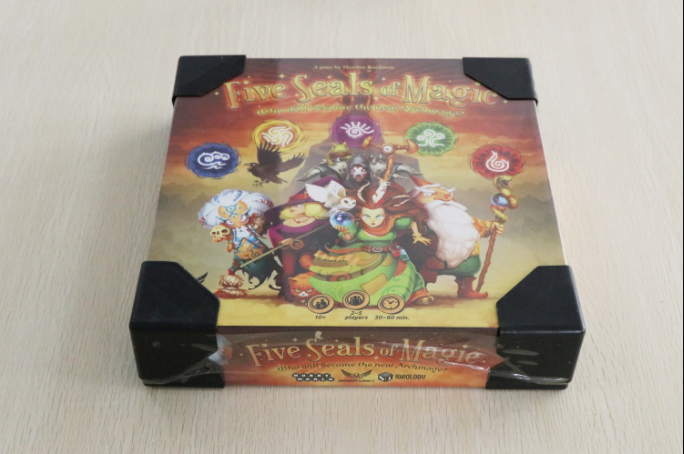
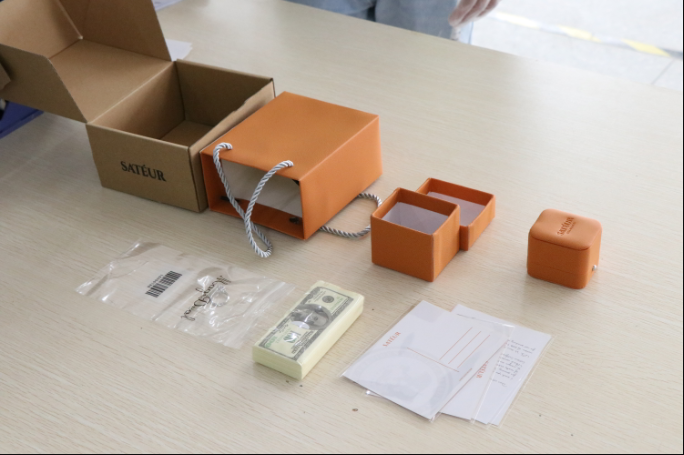
Examples:
- A skincare brand combining a cleanser, toner, and moisturizer into a "daily routine kit."
- A tech company bundling a laptop with a mouse and carrying case.
Product kitting can be executed in two primary ways:
- Pre-Packaged Kitting: Items are assembled into kits in advance based on forecasted demand. This method allows for quicker order fulfillment but requires storage space for the pre-assembled kits.
- Pick-and-Pack Kitting: Items are picked and assembled into kits after an order is placed. This approach offers flexibility and reduces storage needs but may increase fulfillment time.
Examples:
- A furniture manufacturer preparing a kit with all the screws, bolts, and panels needed to assemble a table.
- An electronics company bundling circuit boards, resistors, and capacitors for device assembly.
Material kitting is particularly beneficial in manufacturing environments where assembly line efficiency is critical.
Advantages:
- Lower storage requirements.
- Reduced inventory obsolescence.
- Enhanced flexibility to accommodate custom orders.
However, JIT kitting requires precise coordination between order processing and fulfillment operations to ensure timely delivery.
Examples:
- A monthly beauty box featuring skincare and makeup products.
- A snack subscription box offering a variety of international treats.
Subscription box kitting enhances customer engagement and fosters brand loyalty through curated experiences.
Examples:
- A holiday gift set combining popular products at a discounted price.
- A back-to-school kit featuring essential supplies for students.
This type of kitting allows businesses to capitalize on seasonal trends and consumer behaviors.
Examples:
- An automotive repair kit containing specific tools and replacement parts.
- An HVAC maintenance kit with filters, belts, and cleaning supplies.
MRO kitting is essential for industries where equipment uptime is critical.
Examples:
- A DIY furniture kit with pre-assembled sections and remaining parts for customer assembly.
- An electronics kit with soldered circuit boards and additional components for final assembly.
Assembly kitting balances manufacturing efficiency with customer involvement.
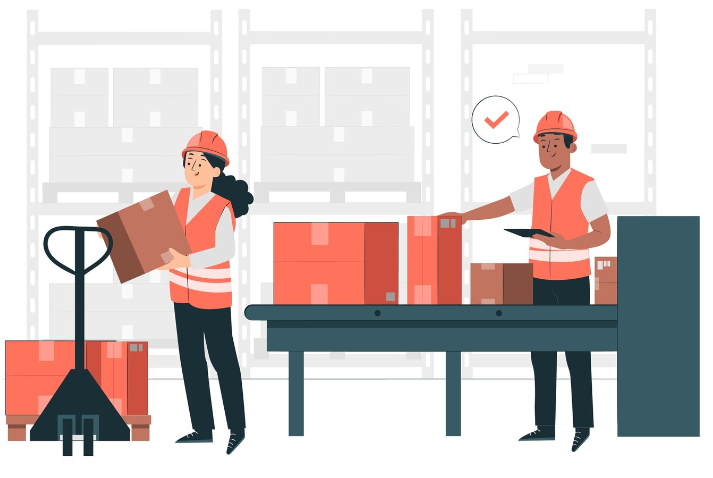
In this comprehensive guide, we will delve into the intricacies of kitting and assembly in eCommerce, exploring their benefits, working processes, various types, and best practices for implementation. Whether you're a small business looking to improve efficiency or a large enterprise aiming to enhance customer experience, understanding and leveraging kitting and assembly can be a game-changer in your eCommerce operations.
1. Understanding Kitting and Assembly
In the fast-paced world of eCommerce, efficiency and customer satisfaction are paramount. Two strategies that have gained prominence in streamlining operations are kitting and assembly.What Is Kitting?
Kitting is the process of grouping individual but related items into a single package, creating a new product SKU (Stock Keeping Unit). For instance, a skincare brand might bundle a cleanser, toner, and moisturizer into a "daily routine kit." This approach simplifies the purchasing process for customers and streamlines inventory management for businesses.What Is Assembly?
Assembly refers to the process of putting together various components to create a finished product. This could range from assembling parts of a piece of furniture to combining electronic components into a gadget. Assembly ensures that products are ready for immediate use upon delivery, enhancing the customer experience.Key Differences Between Kitting and AssemblyWhile both processes aim to streamline operations, they serve different purposes:
- Kitting: Focuses on bundling related items for convenience and promotional purposes.
- Assembly: Involves constructing a product from individual parts, ensuring it's ready for use.
Understanding these distinctions helps businesses decide which process aligns best with their operational goals.
2. Benefits of Kitting and Assembly in eCommerce
Implementing kitting and assembly processes can offer a multitude of benefits that streamline operations and enhance the overall customer experience.Streamlined Operations and Time Savings
By pre-assembling kits, businesses can significantly reduce the time spent on picking and packing individual items. This consolidation leads to faster order processing and allows staff to focus on other critical tasks, enhancing overall operational efficiency.Cost Reduction
Kitting and assembly can lead to substantial cost savings. By bundling items, businesses can reduce packaging materials and shipping costs. Additionally, managing fewer SKUs simplifies inventory management, potentially lowering storage expenses.Enhanced Inventory Management
Combining products into kits reduces the complexity of inventory tracking. With fewer individual items to monitor, businesses can maintain more accurate stock levels, minimize overstock situations, and reduce the risk of stockouts.Improved Customer Experience
Offering curated kits provides customers with a convenient shopping experience. Receiving a ready-to-use package enhances satisfaction and can lead to increased customer loyalty and repeat purchases.Increased Sales and Higher Average Order Value
Bundling complementary products encourages customers to purchase more items in a single transaction, boosting the average order value. Strategic kitting can also facilitate cross-selling and upselling opportunities.Reduced Shipping Errors and Returns
Pre-assembled kits minimize the chances of missing items or incorrect shipments. This accuracy reduces return rates and enhances the brand's reputation for reliability.Optimized Warehouse Space
Consolidating items into kits can free up valuable warehouse space. Efficient use of storage areas allows for better organization and can accommodate a broader product range.Flexibility in Marketing and Promotions
Kitting enables businesses to create special offers, seasonal bundles, or limited-time promotions easily. The flexibility can attract new customers and stimulate sales during peak shopping periods.3. Kitting and Assembly Working Process
Implementing kitting and assembly processes in eCommerce involves a series of coordinated steps designed to streamline order fulfillment, reduce errors, and enhance customer satisfaction. Here's a detailed breakdown of the typical workflow:Inventory Receipt and Verification
The process begins with the receipt of individual components or products from suppliers. Each item is meticulously inspected for quality and accuracy, ensuring that the correct quantities and specifications are met. This step is crucial to prevent downstream issues in the fulfillment process.Inventory Organization and Storage
After verification, items are organized and stored systematically within the warehouse. Efficient storage solutions, such as bin locations or shelving units, are employed to facilitate easy access during the kitting or assembly stages. Proper labeling and inventory management systems are essential to maintain real-time tracking and minimize retrieval times.Kitting Preparation
In the kitting phase, related items are grouped together to form a single unit or kit. This could involve bundling complementary products, promotional items, or components required for a specific purpose. Each kit is assigned a unique SKU (Stock Keeping Unit) to simplify inventory tracking and order processing.Assembly Process
For products requiring assembly, individual components are combined to create a finished product. This process may involve manual assembly lines or automated systems, depending on the complexity and volume of the products. Standard Operating Procedures (SOPs) are followed to ensure consistency and quality across all assembled items.Quality Control and Inspection
Post-assembly, each kit or product undergoes a thorough quality control check. This includes verifying the accuracy of contents, ensuring proper assembly, and inspecting for any defects or inconsistencies. Quality assurance protocols are vital to maintain customer satisfaction and reduce return rates.Packaging and Labeling
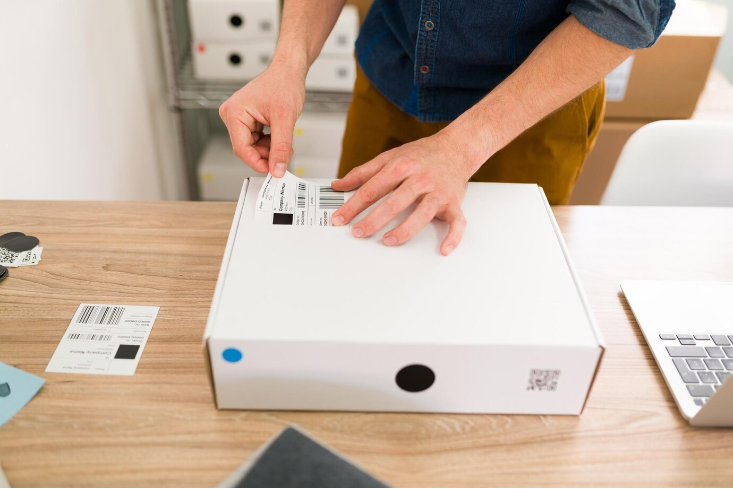
Once approved, products are packaged according to predefined guidelines, which may include branded packaging, protective materials, or specific configurations. Accurate labeling with barcodes, SKUs, and shipping information is applied to facilitate seamless logistics and tracking.Storage or Fulfillment
Completed kits or assembled products are either stored in the warehouse for future orders or moved directly to the fulfillment area for immediate shipping. Efficient coordination between storage and fulfillment ensures timely delivery and optimal inventory turnover.4. Types of Kitting and Assembly
Understanding the various types of kitting and assembly processes is essential for eCommerce businesses aiming to optimize their fulfillment strategies. Each type serves specific operational needs, from streamlining production to enhancing customer experience.Product Kitting
Product kitting involves bundling multiple related items into a single package, creating a new SKU. This approach simplifies the purchasing process for customers and streamlines inventory management for businesses.Examples:
- A skincare brand combining a cleanser, toner, and moisturizer into a "daily routine kit."
- A tech company bundling a laptop with a mouse and carrying case.
Product kitting can be executed in two primary ways:
- Pre-Packaged Kitting: Items are assembled into kits in advance based on forecasted demand. This method allows for quicker order fulfillment but requires storage space for the pre-assembled kits.
- Pick-and-Pack Kitting: Items are picked and assembled into kits after an order is placed. This approach offers flexibility and reduces storage needs but may increase fulfillment time.
Material Kitting
Material kitting, also known as parts kitting, involves gathering and packaging all components required for manufacturing a product. This process ensures that all necessary parts are available at the assembly station, reducing downtime and improving efficiency.Examples:
- A furniture manufacturer preparing a kit with all the screws, bolts, and panels needed to assemble a table.
- An electronics company bundling circuit boards, resistors, and capacitors for device assembly.
Material kitting is particularly beneficial in manufacturing environments where assembly line efficiency is critical.
Just-in-Time (JIT) Kitting
Just-in-Time kitting involves assembling kits only after an order is received. This method minimizes inventory holding costs and reduces the risk of overproduction.Advantages:
- Lower storage requirements.
- Reduced inventory obsolescence.
- Enhanced flexibility to accommodate custom orders.
However, JIT kitting requires precise coordination between order processing and fulfillment operations to ensure timely delivery.
Subscription Box Kitting
Subscription box kitting involves curating and assembling a selection of products for regular delivery to subscribers. This model often includes personalized or themed items and requires meticulous planning to ensure consistency and customer satisfaction.Examples:
- A monthly beauty box featuring skincare and makeup products.
- A snack subscription box offering a variety of international treats.
Subscription box kitting enhances customer engagement and fosters brand loyalty through curated experiences.
Promotional and Seasonal Kitting
Promotional and seasonal kitting involves assembling products into special bundles for marketing campaigns, holidays, or events. These kits are designed to boost sales and attract new customers.Examples:
- A holiday gift set combining popular products at a discounted price.
- A back-to-school kit featuring essential supplies for students.
This type of kitting allows businesses to capitalize on seasonal trends and consumer behaviors.
Maintenance, Repair, and Operations (MRO) Kitting
MRO kitting involves assembling kits with tools and parts necessary for maintenance and repair tasks. This approach ensures that technicians have all required components readily available, reducing downtime and increasing productivity.Examples:
- An automotive repair kit containing specific tools and replacement parts.
- An HVAC maintenance kit with filters, belts, and cleaning supplies.
MRO kitting is essential for industries where equipment uptime is critical.
Assembly Kitting
Assembly kitting combines elements of both kitting and assembly processes. It involves gathering components and partially assembling them into sub-assemblies, which are then completed later in the production process or by the end customer.Examples:
- A DIY furniture kit with pre-assembled sections and remaining parts for customer assembly.
- An electronics kit with soldered circuit boards and additional components for final assembly.
Assembly kitting balances manufacturing efficiency with customer involvement.
5. Implementing Kitting and Assembly: Best Practices
Effectively integrating kitting and assembly into your eCommerce operations can significantly enhance efficiency, reduce costs, and improve customer satisfaction. Below are best practices to guide successful implementation: Want to know about our services, fees or receive a custom quote?