


Table of Contents
Table of Contents
Inventory complexity grows in tandem with every successful ecommerce business. As product lines proliferate, sales channels expand, and customer expectations rise, the systems that once worked under manual tracking quickly become overwhelmed. One cornerstone of effective inventory operation — a concept that sounds simple but carries enormous strategic weight — is SKU management.
In this comprehensive article, we’ll explore what SKU management is, why it’s critical for ecommerce success, how it works with 3PL logistics partners like SendFromChina, and best practices that help you scale without losing control.
1. What Is a SKU? A Foundation for Every Product
SKU stands for Stock Keeping Unit — a unique alphanumeric code assigned to each specific product variant in your inventory. It’s more than a barcode or product name; a SKU encodes key attributes like size, color, style, and other distinguishing features into a compact, machine-readable identifier.
Unlike universal product codes (UPCs) — which are standardized and the same across all sellers — SKUs are internal to your ecommerce operation, and can vary between businesses even for the same physical product.
For example:
TSHIRT-BLU-M might represent a medium blue t-shirtHDPHONE-BLK-64GB might designate black headphones with 64GB storageMUG-WHT-12OZ might signal a 12-oz white mugIn each case, the SKU serves as a linchpin between digital catalogues, warehouse operations, order fulfillment, and customer service.
2. What Is SKU Management?

SKU management is the system and process by which a business organizes, tracks, standardizes, analyzes, and optimizes its SKUs across all touchpoints of ecommerce operations. In essence, it is a subset of inventory management that focuses on how each SKU — and the data it carries — is used to ensure accurate stock levels, seamless fulfillment, and actionable insights.
Well-implemented SKU management means you can:
Identify each product precisely — even when there are many variants
Track stock levels in real time
Associate performance data with specific SKUs
Forecast demand and optimize inventory flow
Enable partners like 3PLs to fulfill orders accurately3. Why SKU Management Matters for Growing Ecommerce Stores
For small sellers with just a few products, inventory management might be straightforward. But as SKUs multiply, unmanaged systems start eroding efficiency. Below are the key reasons why SKU management becomes mission-critical as your business scales.

Accurate Inventory Tracking Across Channels
In modern ecommerce, you’re rarely selling through just one channel. Your products might be listed on your own website, Amazon, eBay, TikTok Shop, and various marketplaces — all at the same time.
Without robust SKU management, stock levels can quickly become inconsistent:
Overselling — selling products you don’t have
Stockouts — running out of popular items
Inaccurate counts — confusing inventory that looks one way in one system and another elsewhere
A strong SKU management system ensures real-time visibility across platforms, preventing costly mistakes and customer disappointment.
Fewer Picking and Fulfillment Errors
Fulfillment accuracy is the backbone of customer satisfaction. Mis-picks, wrong shipments, and delays directly impact your brand reputation.
SKUs dramatically improve fulfillment workflows:
Warehouse staff scan a SKU and confirm the exact item and variant
Order systems auto-pull the correct SKU from stock
3PL partners like SendFromChina deliver the correct item quickly
When systems talk to each other — from your ecommerce platform to your warehouse management system (WMS) — errors plummet.
Smarter Demand Forecasting and Stock Replenishment
Retail and ecommerce thrive on data. SKUs generate data — lots of it.
Detailed tracking by SKU enables you to:
Identify top-selling products
Detect seasonal patterns
Set automated reorder thresholds
Reduce stockouts and overstock waste
Without SKU-level data, forecasting becomes guesswork. With it, inventory planning becomes science.
Powerful Data Insights For Strategic Decisions
SKU management isn’t just about operational accuracy — it’s a strategic driver.
By analyzing SKU performance, ecommerce leaders can make smarter decisions:
Which products to promote
Which items to discontinue
Which markets show higher demand
Where to adjust pricing
How to optimize fulfillment routes
This level of granularity fuels smarter marketing and inventory strategies, helping you invest where results are strongest.
Cost Control and Higher Profitability
Unplanned overstock ties up working capital. Under-inventory, on the other hand, costs you lost sales.
SKU management helps strike the right balance:
Monitor inventory turnover
Avoid tying up capital in slow-moving stock
Free warehouse space for high-velocity products
Over time, improved SKU practices lead to leaner operations and stronger margins.
4. How SKU Management Supports 3PL Partnerships
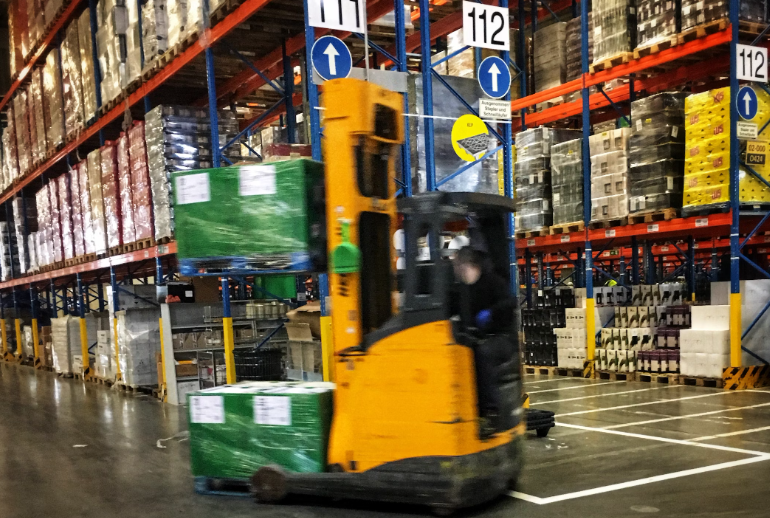
Third-party logistics partners like SendFromChina deliver value by handling fulfillment, inventory storage, shipping, and returns for ecommerce businesses. But the efficiency of these services depends heavily on well-structured SKU systems.
Reliable Inventory Sync
3PL partners rely on accurate SKU lists to sync stock levels, update availability, and avoid discrepancies. When your SKU codes are standardized and clearly defined, integration with 3PL systems becomes seamless.
Faster Processing and Fewer Errors
When a SKU is clear and actionable, warehouse teams — whether internal or third-party — can pick, pack, and ship accurately. This reduces return rates and improves customer satisfaction.
Scalable Operations
As your brand expands — new markets, more SKUs, complex bundles — a robust SKU management framework scales with you, without disproportionate increases in labor or errors.
5. Common Challenges in SKU Management
Even seasoned ecommerce teams can stumble in their SKU practices. Here are some frequent hiccups:
Poor Naming Conventions
Ambiguous or overly long SKUs cause confusion and misreads.
Duplicate or Redundant SKUs
Without regular audits, duplicate codes crop up and muddy inventory data.
Lack of Automation
Manual SKU updates slow processes and invite human error.
Disconnected Systems
When ecommerce platforms, ERP tools, and warehouse systems aren’t synchronized, SKU data becomes inconsistent across platforms.
6. Best Practices for Effective SKU Management
Achieving SKU excellence doesn’t happen overnight. Here are proven practices that lead to more control, less friction, and stronger growth.
Standardize Your SKU Naming
Craft a clear, consistent structure that your team — and systems — understand. Keep SKUs logical, concise, and descriptive (e.g., TSHIRT-BLU-M). Avoid random strings of numbers that don’t communicate meaning.
Keep SKUs Short, Clear, and Consistent
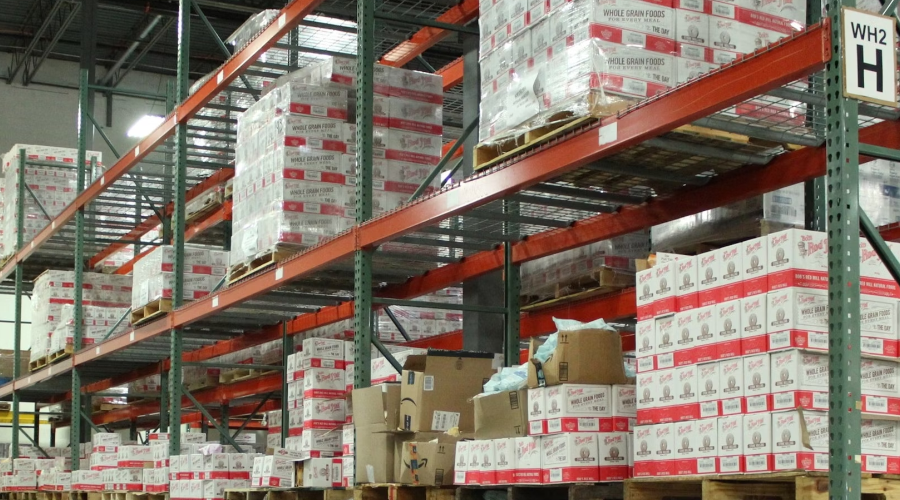
Shorter SKU codes are easier to read, less error-prone, and simpler to scan during warehouse operations. Put the most meaningful product attributes first.
Use Inventory Automation Tools
Invest in technology that integrates inventory data across channels and updates SKU levels in real time. Automation reduces manual updates and keeps stock data accurate.
Conduct Regular SKU Audits
Schedule routine cleanup to catch duplicates, obsolete SKUs, or data inconsistencies before they morph into operational headaches.
Train Your Team
An SKU system is only as strong as the people who use it. Training ensures that everyone understands naming conventions, scanning protocols, and inventory flow.
Leverage SKU Analytics
Beyond tracking stock levels, use SKU data to analyze performance, inform marketing strategies, and optimize product life cycles.
7. Conclusion
For growing ecommerce brands, SKU management is not an optional administrative task — it’s a strategic asset. As your product catalog expands and channels diversify, the ability to uniquely identify, track, and analyze each product variant becomes essential to your operational efficiency and business growth.
A well-implemented SKU strategy empowers you to:
Improve inventory accuracy
Streamline fulfillment processes
Make data-driven decisions
Reduce costs and increase profitability
Enhance customer satisfaction
Partnered with a sophisticated 3PL like SendFromChina, good SKU management transforms from internal housekeeping into a foundation for scalable, repeatable success in the global ecommerce marketplace.
8. Frequently Asked Questions (FAQs)
What is the difference between a SKU and a barcode?
A SKU is a unique, internal identifier defined by a business for inventory tracking. A barcode is a machine-readable representation of that SKU (or another code like UPC) used for scanning.
Can SKUs be the same across different sellers?
No. SKUs are internal to each business and can vary even for the exact same product.
How often should I audit my SKUs?
A good rule of thumb is at least quarterly — more often if you rapidly add products.
Does SKU management help with forecasting?
Yes — SKU-level performance data feeds into demand forecasting, helping prevent stockouts and overstock scenarios.
Are SKUs necessary if I use a 3PL like SendFromChina?
Absolutely. Accurate SKU systems ensure your 3PL partner can fulfill orders quickly and accurately.
 Want to know about our services, fees or receive a custom quote?